
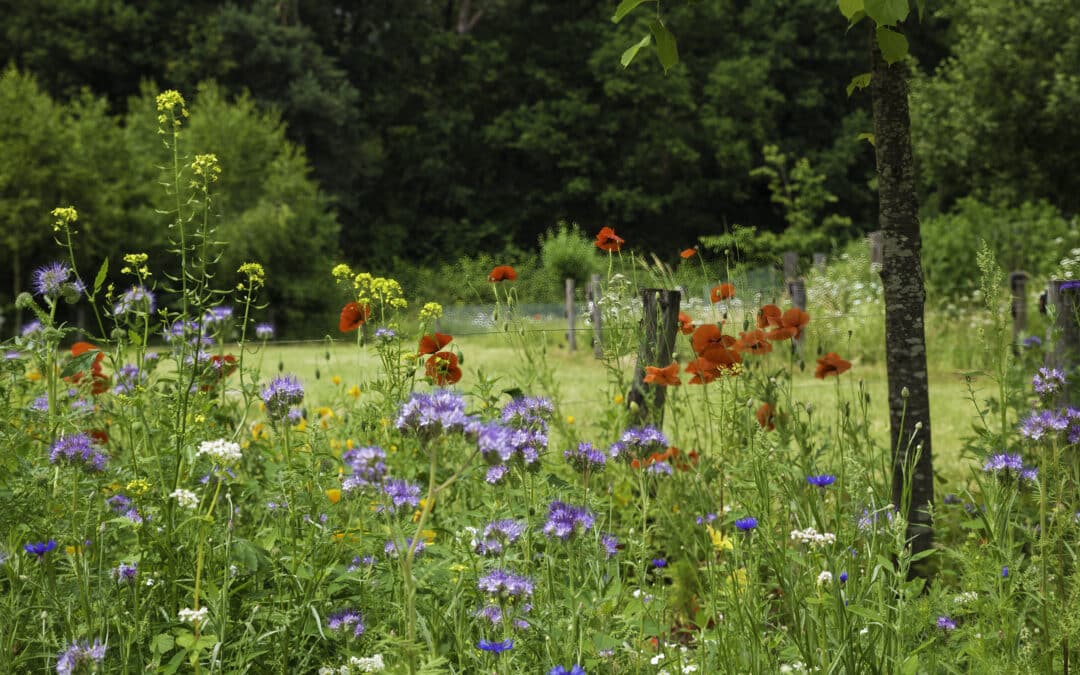
In recent years, more people have started thinking about how their gardens impact local ecosystems. More homeowners want to create eco-friendly gardens that are both sustainable and welcoming to local wildlife. How do we grow one? What plants are good for bees and other pollinators? How do we reduce water usage? How do we encourage the growth of local plants? How do we improve soil health?
Thankfully, creating an eco-friendly garden isn’t about completely redesigning your outdoor space. Whether you live in the dry Southwest, the humid Southeast, or the colder Northeast, sustainable gardening practices can help create a healthier and more resilient landscape.
Start with Plants That Suit Your Region
One of the most environmentally friendly decisions you can make is choosing plants that are naturally suited to your local climate.
Non-native plants are typically chosen for their aesthetics, but growing a plant that doesn’t normally “belong” in an environment takes more work, possibly more water and can negatively affect the soil.
In contrast, native plants have evolved to thrive in regional conditions, making them more resistant to pests, diseases, and extreme weather. Because they are adapted to local soils and rainfall patterns, they typically require less irrigation and fewer fertilizers than non-native alternatives. The U.S. Environmental Protection Agency also recommends using regionally appropriate and low-water-use plants to reduce water consumption in residential landscapes.
If you’re unsure where to start, here’s a rough guide:
Northeast and Midwest
Native coneflowers, black-eyed Susans, milkweed, and asters can provide seasonal color while supporting pollinators.
Southeast
Bee balm, coreopsis, native salvias, and native grasses perform well in warmer, humid conditions.
Southwest
Drought-tolerant species such as desert marigold, penstemon, and native yucca help conserve water while maintaining visual interest.
Pacific Northwest
Oregon grape, native currants, and Douglas aster are popular choices that support local wildlife and pollinators.
Bear in mind that these are suggestions and so it’s also a good idea to look into the plants that are native to your state, or even town, for more accurate recommendations. For example, Texas has the Texas Bluebonnet while Colorado’s state flower is the Rocky Mountain columbine. You might even discover something really special!
Create a Pollinator-Friendly Garden
An eco-friendly garden should support more than just plants, it should provide habitat for wildlife too.
Pollinators such as bees, butterflies, hummingbirds, and moths play a vital role in healthy ecosystems. To attract them, choose a variety of flowering plants that bloom from early spring through late fall. Planting flowers in clusters rather than individually can make them easier for pollinators to find and use. Experts also recommend reducing or eliminating any pesticide use where possible.
You can further improve biodiversity by including shallow water sources, leaving some natural habitat areas undisturbed, and incorporating a mixture of flowers, shrubs, and grasses.
Be Wary of Wildflower Seed Mixes
While buying a pack of wildflower seeds seems like a great idea for eco-friendly gardening, there are some potential problems with them. Some buyers complain that only one of the flowers dominates, or even worse, just rag weed! There are also legitimate concerns about invasive species making their way into the mix, especially for packs that don’t list the specific species of flower.
The best approach is to buy seeds individually that suit your garden or simply leaving your existing lawn to grow (see No Mow May). If you do really want a seed mix, just make sure that it lists the variety of flowers on the package and has been curated specifically for your region.
Other Beneficial Insects
An insect doesn’t have to be a pollinator to be good for your garden. You want to encourage a range of beneficial insects, such as ladybugs and flower flies, as they will help to keep pests under control and improve the bio-diversity of the garden. Encourage beneficial insects by having a wide range of plants in your garden, including a variety of herbs which you can even use in your cooking!
Reduce Water Usage
Water conservation is one of the biggest challenges for gardeners across many parts of the United States.
Rather than relying on keeping the sprinklers on and the hose running, focus on techniques that help the soil retain moisture naturally. Adding organic mulch around plants can reduce evaporation, suppress weeds, and improve soil quality over time.
Grouping plants with similar watering requirements together, (aka hydrozoning) can also make irrigation more efficient. In drier regions, replacing sections of traditional lawn with drought-tolerant planting beds can significantly reduce water demand.
As an extra project you could also set up a rain barrel for rainwater harvesting. This can significantly reduce your water usage across the year.
Improve Soil Naturally
Healthy soil forms the foundation of any sustainable garden. Instead of relying heavily on synthetic fertilizers, consider using a compost bin or starting a compost pile to make use of kitchen scraps, grass clippings, and garden waste. Compost returns valuable nutrients to the soil while reducing the amount of waste sent to landfills.
Organic matter also improves soil structure, helping it retain moisture during dry periods and drain more effectively during heavy rainfall.
Limit Hard Surfaces Where Possible
Large areas of concrete and asphalt can increase surface runoff and reduce the amount of rainwater that reaches the soil.
Where practical, consider permeable landscaping options that allow water to infiltrate naturally. Gravel pathways, planted borders, and grassed areas can all help improve drainage while creating a more natural-looking landscape.
Protect Grassed Areas from Damage
Many eco-friendly gardens include lawns or grassed pathways, but repeated foot traffic can quickly wear these areas down. Bare patches not only look unattractive but can also contribute to soil erosion and muddy conditions.
Installing grass protection mats can help to preserve natural grass surfaces while still allowing people to access different areas of the garden. The mats distribute weight more evenly across the ground, helping grass continue to grow through the structure while reducing compaction and erosion.
This can be particularly useful around garden paths, play areas, compost piles and frequently used access routes where maintaining healthy vegetation is important.
Encourage Wildlife
A truly eco-friendly garden supports a wide range of wildlife.
Bird-friendly plants that provide seeds, berries, shelter, and nesting opportunities can help create a thriving backyard ecosystem. Trees, shrubs, and native grasses often offer year-round benefits for wildlife while adding structure and interest to the garden.
Even small additions, such as leaving seed heads standing through winter or installing a bird bath, can make a meaningful difference.
Small Changes Can Have a Big Impact
Creating an eco-friendly garden doesn’t require a complete overhaul. By choosing native plants, reducing water use, improving soil health, supporting pollinators, and protecting vulnerable grassed areas, homeowners can build a landscape that benefits both their property and the environment.
The most sustainable gardens are often those that work with local conditions rather than against them. With a thoughtful approach, gardeners across the United States can create beautiful outdoor spaces that are easier to maintain, more resilient, and better for wildlife.