
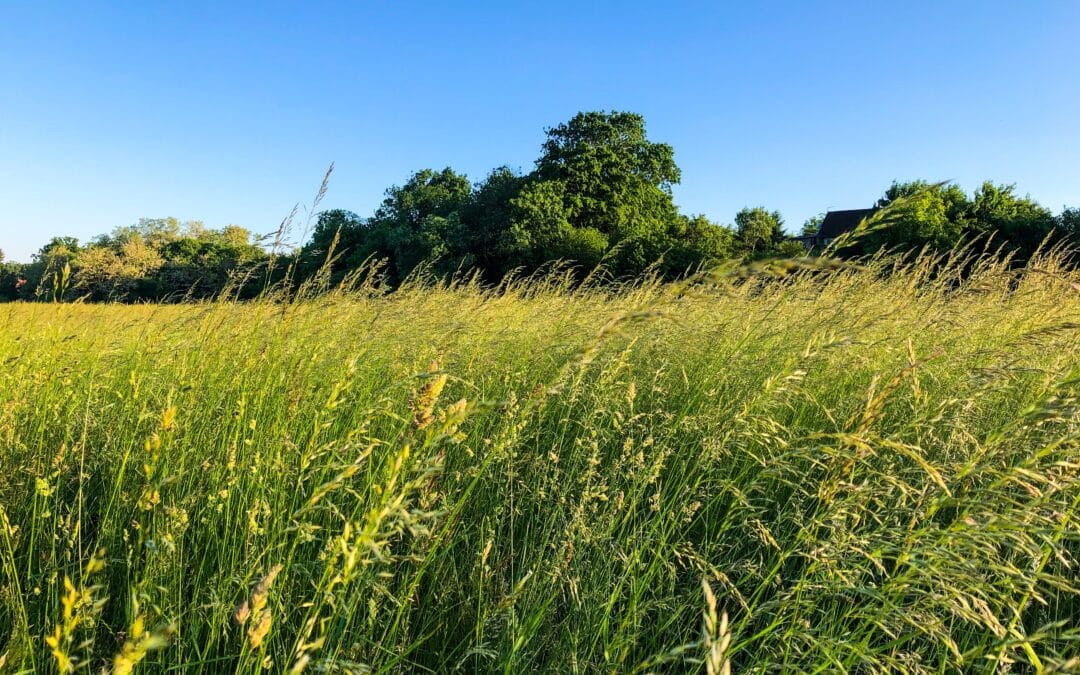
As Spring arrives, many homeowners feel an urge to grab their lawnmowers and tackle the overgrown grass from Winter. However, a growing movement is challenging this tradition, encouraging people to let nature take its course for at least one month.
No Mow May is a global initiative that has gained significant traction in recent years. For those wondering what No Mow May is, it is a campaign that asks individuals to refrain from mowing their lawns during the month of May to support local biodiversity.
Understanding the Movement: What Is No Mow May?
Launched by the UK-based charity Plantlife in 2019, the campaign has since spread to the United States, with thousands participating. The premise is straightforward: do not mow your lawn during the month of May. The goal is to let grasses, wildflowers, and other plants to grow freely.
This unmanaged growth creates a habitat that is crucial for the recovery of pollinators and other insects after the harsh winter months.
May coincides with the peak flowering season for many spring-blooming plants. By not mowing, gardeners allow dandelions, clover, daisies, and other common lawn weeds to flower and set seeds. These flowers provide an essential food source for bees, butterflies, and other pollinators that are vital for the ecosystem.
Without this early-season boost, many insect populations would struggle to survive and reproduce, leading to a decline in biodiversity that affects the entire food chain.
No Mow May Benefits
The main benefit of No Mow May is the dramatic increase in biodiversity. A short, mowed lawn is essentially a biological desert for most insects, offering little food or shelter.
In contrast, a long lawn becomes a meadow. When dandelions and clover are allowed to bloom, they attract a wide variety of pollinators. Studies have shown that lawns left unmowed for just one month can support higher populations of bees and hoverflies compared to regularly mowed areas.
Furthermore, the environmental benefits include a reduction in carbon emissions as traditional lawn maintenance often involves gas-powered lawnmowers, which are significant sources of air pollution. By choosing not to mow for one month, homeowners can contribute to cleaner air and a lower carbon footprint.
Another significant benefit is the improvement of soil health. As grass roots grow deeper and longer, they help to prevent soil erosion and improve water infiltration.
The decaying plant matter from wildflowers and grasses adds organic material to the soil, fostering a healthier microbial community. This leads to a more resilient lawn that can better withstand droughts and extreme weather conditions later in the summer.
No Mow May Pros and Cons
While the environmental arguments are compelling, many homeowners hesitate due to aesthetic concerns or practical issues. To make an informed decision, it is helpful to look at the No Mow May pros and cons in detail.
Pros
- Biodiversity Boost: As mentioned, the immediate creation of a habitat for pollinators is the most significant advantage.
- Cost Savings: Skipping the mowing saves money on fuel, electricity, and potential equipment wear and tear.
- Water Conservation: Longer grass shades the soil, reducing evaporation and water usage.
- Soil Improvement: Stronger root systems and organic matter contribute to long-term soil health.
- Mental Well-being: There is a growing psychological benefit in connecting with nature and letting go of the pressure for perfection.
Cons
- Aesthetic Perception: The biggest hurdle is the visual change. A long, weedy lawn may look messy to neighbors who are not familiar with the movement.
- Pest Concerns: Some people worry that tall grass might attract ticks, rodents, or snakes. While these concerns are valid, the risk can be managed by keeping the perimeter of the lawn clear.
- Neighbor Relations: In some communities, homeowners’ associations (HOAs) may have strict rules about lawn height, which could lead to conflicts.
- Seed Dispersal: Allowing weeds to seed means they may become more prevalent in the lawn later in the year if not managed.
A wild lawn does not have to be a chaotic mess. Homeowners can create a mowing path or a specific area to mow, maintaining a balance between aesthetics and environmental support. Additionally, educating neighbors about the No Mow May concept can create community engagement and encourage others to get involved.
Making It Work in Your Garden
Implementing the movement does not require a complete overhaul of your landscaping strategy. If you are curious about the No Mow May benefits but are hesitant to go fully wild, you can start by leaving small patches unmowed. For example, you might leave the edges of the lawn or a specific corner to grow. This allows you to experience the benefits without committing to the entire yard.
It is also important to note that many participants continue to mow less frequently throughout the summer. Perhaps only cutting the lawn once a month or using a mulching mower to keep grass clippings on the lawn as fertilizer. The goal is to shift the mindset from control to cooperation with nature.
Incorporating Grass Mats into No Mow May
While letting your lawn grow freely is at the heart of No Mow May, it does not mean your outdoor space has to become impractical or inaccessible. One effective way to balance biodiversity with usability is by incorporating grass mats into your garden design.
Grass mats provide stable, durable pathways and functional areas without disrupting the natural growth of your lawn. They are typically installed beneath or within the grass, allowing vegetation to grow through them while reinforcing the ground underneath. This makes them ideal for areas that experience regular foot traffic, such as walkways, seating areas, or routes to sheds and bins.
During No Mow May, when grass is left to grow longer than usual, these mats help to prevent wear and tear that would otherwise create muddy patches or flattened pathways. Instead of repeatedly walking over the same section of lawn and damaging plant growth, grass mats distribute weight evenly, protecting both the soil structure and emerging wildflowers.
They are particularly useful for homeowners who want to maintain some structure in their garden while still supporting pollinators. For example, you can create defined paths through longer grass, allowing you to enjoy the visual and ecological benefits of a wilder lawn without sacrificing accessibility or aesthetics.
Additionally, grass mats can support the long-term health of your lawn. By reducing soil compaction in high-use areas, they help maintain better drainage and root development. This aligns with the wider goals of No Mow May, which include improving soil quality and encouraging resilient plant growth.
Incorporating grass mats is therefore a practical compromise. It allows you to fully participate in No Mow May while keeping your outdoor space functional, visually intentional, and easy to navigate.
The Broader Impact
The “No Mow May” campaign is part of a larger global effort to restore biodiversity in urban and suburban environments. If millions of homeowners participate, the effect could be substantial. It is a low-cost, low-effort way for individuals to contribute to a global solution.
“No Mow May” offers an opportunity to rethink our relationship with the grass on our lawns. By understanding the No Mow May benefits, homeowners can make a positive impact on the environment.
While there are pros and cons to consider, the environmental rewards often outweigh the aesthetic concerns. Whether you decide to go all-in or simply leave a small patch unmowed, a more natural lawn still contributes to a healthier planet. So this May, consider letting your grass grow a little longer.