
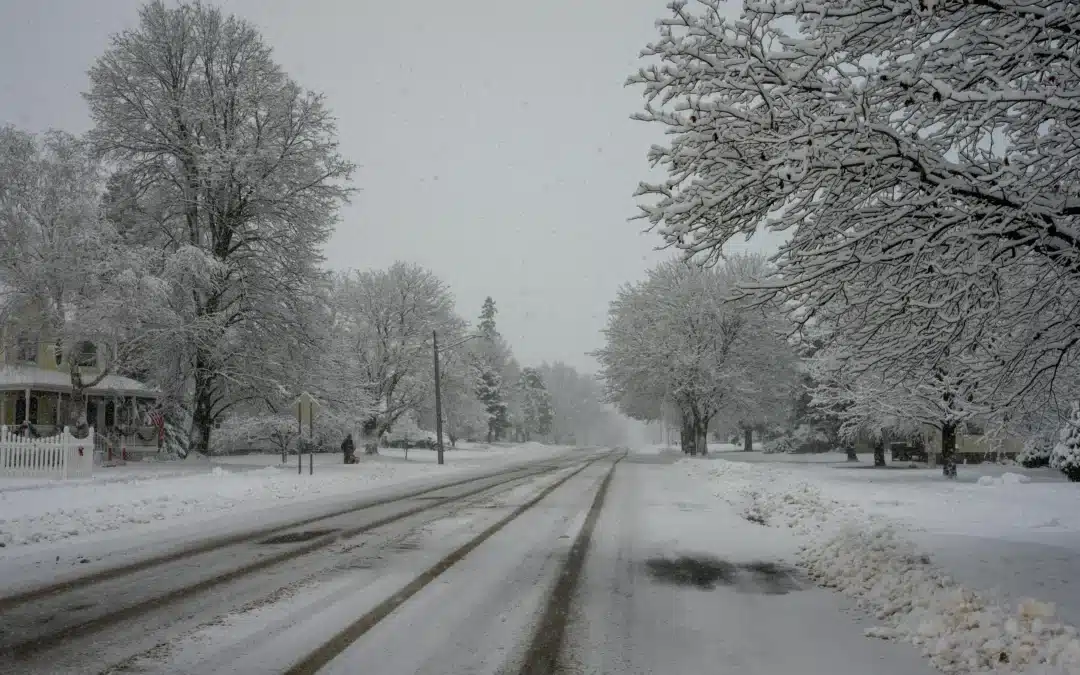
When icy and snowy conditions happen, surfaces are much more likely to be slippery. In order to provide a safe and stable walking surface, we recommend using rubber mats. Having a mat will enhance traction and stability on grassy areas, reducing the risk of slips and falls. They can be used in various outdoor applications, including walkways, entrances, and playgrounds, to help prevent injuries and accidents caused by slippery surfaces.
Choosing the Right Material
In order to pick the right mat for the situation, you first need to think about the material of the mat. You want to look for mats made from durable and slip-resistant materials, such as rubber. Some rubber mats can provide additional traction due to their design and texture, making that something you want to look out for.
Top Grass Mat Options
Anti Slip Mats
Anti-Slip Mats are a popular choice for outdoor use, providing a safe and stable walking surface in icy conditions and on wet, rainy days.
Ground Protection Mesh
Grass Protection Mesh is a thick plastic mesh designed for protecting and reinforcing grassed areas used by vehicles and pedestrians. During winter, these mats are a great option for your pathways in the backyard because they protect the ground during the cold months, so it is prepared for summer.
Rubber Mats
Rubber Mats are the most versatile and offer a lightweight option, which is especially important when looking to protect the grass. During winter and snow, these mats are great for reducing accidents and slips, since their slip resistant surface helps provide traction. Whether you’re at a job, or walking around your backyard, these mats allow you to walk freely without worrying about falling over on ice or snow.
Key Features to Consider
Traction and stability
When deciding on what mat to chose for your garden or backyard, look for mats with a unique design and texture to provides additional grip to the surface.
Durability and Portability
Assess the mat’s ability to withstand heavy use and harsh weather conditions as well as considering the weight and ease of installation and removal of the mat.
Using Outdoor Mats Effectively
Mats should be placed in high-traffic areas, such as walkways and entrances. Mats should also be used in conjunction with other safety measures, such as handrails and lighting. Check the surface before installing the mat, ensuring it is clean and dry and make sure to perform maintenance regularly.
Safety Precautions and Maintenance
To make sure they are safe to use throughout colder months, remember to regularly inspect for damage or wear and tear. They need to be cleaned regularly to prevent dirt and debris from building up and causing damage. If you can see an increase in dirt and sand, depending on how much you find, an easy sweep will remove it.
Consider purchasing a bag or carry case to protect the product during transport.
Be careful when removing snow, as sharp-edged shovels can damage the cover material.
Review the weight and portability of the mat, as well as its ease of installation and removal. Evaluate the mat’s performance in various weather conditions, including snow and ice.
Mats are an effective way to enhance traction and stability in outdoor areas where you are more likely to slip or fall and roll over. By choosing the right material and considering key features, you can ensure a safe and stable walking surface. Regular maintenance and safety precautions can help extend the life of the mat and prevent accidents.
Always exercise caution when walking outside in the winter, especially in inclement weather conditions. Please remember, ice is very slippery and dangerous until it is broken and removed.